
RITHET’S BOG CONSERVATION SOCIETY
The Rithet’s Bog Conservation Society is a group of volunteers dedicated to preserving Rithet’s Bog with its unique wetland ecosystems for the benefit of present and future generations and also educating the public about the ecology of Rithet’s Bog. We work closely with Saanich Parks and their Pulling Together Volunteer Program doing invasive species removal, ecological restoration work and educational activities in the park. The Rithet’s Bog Conservation Society is a non profit charitable society. Our work is funded by grants and donations.
TERRITORIAL ACKNOWLEDGEMENT
We acknowledge that Rithet’s Bog lies within the traditional territories of the:
W̱ SÁNEĆ peoples represented by the:
- W̱ JOȽEȽP (Tsartlip)
- BOḰEĆEN (Pauquachin)
- SȾÁUTW̱ (Tsawout)
- W̱ SIḴEM (Tseycum) and
- MÁLEXEȽ (Malahat) Nations.
lək ̓ ʷəŋən peoples represented by the:
- Songhees and
- xʷsepsəm (Esquimalt) Nations.
RITHET’S BOG CONSERVATION AREA
The Rithet’s Bog Conservation Area is a Saanich natural area park and nature sanctuary. It covers 38 hectares and has a 3.2 kilometer walking trail that is popular with walkers, joggers, birders and other natural history enthusiasts. The park is known for its wide variety of wetlands and birds plus its high level of biodiversity. Rithet’s Bog is located in the Royal Oak area at the southwest corner of the Broadmead community, northeast of the Quadra Street/Pat Bay Highway overpass, on the southeast corner of Vancouver Island, British Columbia, Canada.
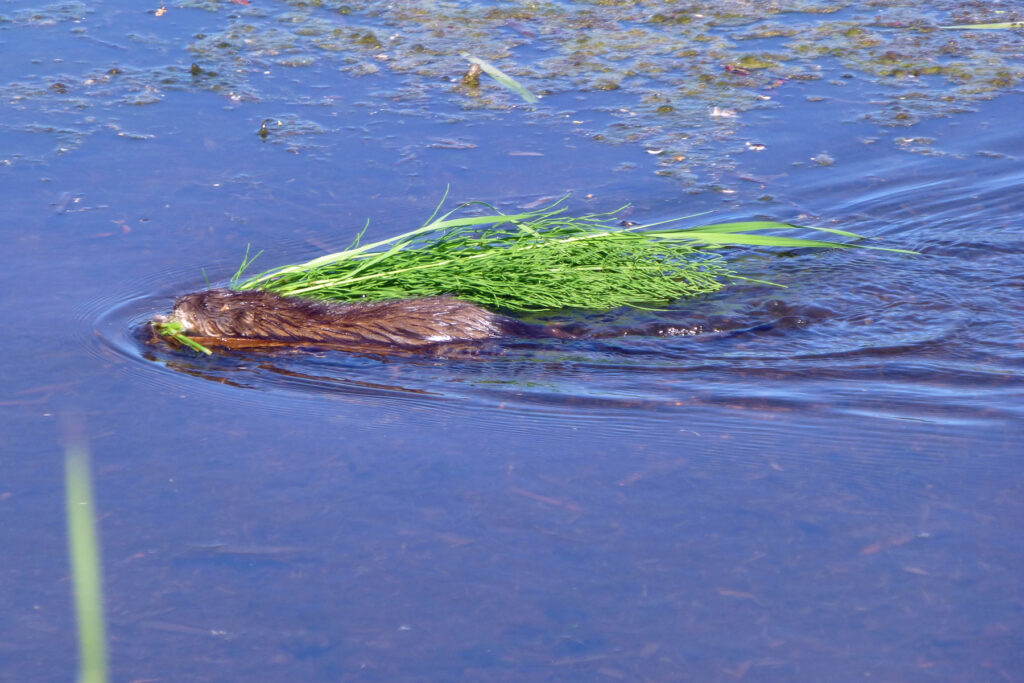
The park is noted for its variety of wetland habitats and biological diversity they support.
Over 100 species of birds have been observed at Rithet’s Bog, plus some rare and endangered species, a wide variety of native plants and insects such as butterflies and dragonflies.